Quick answer
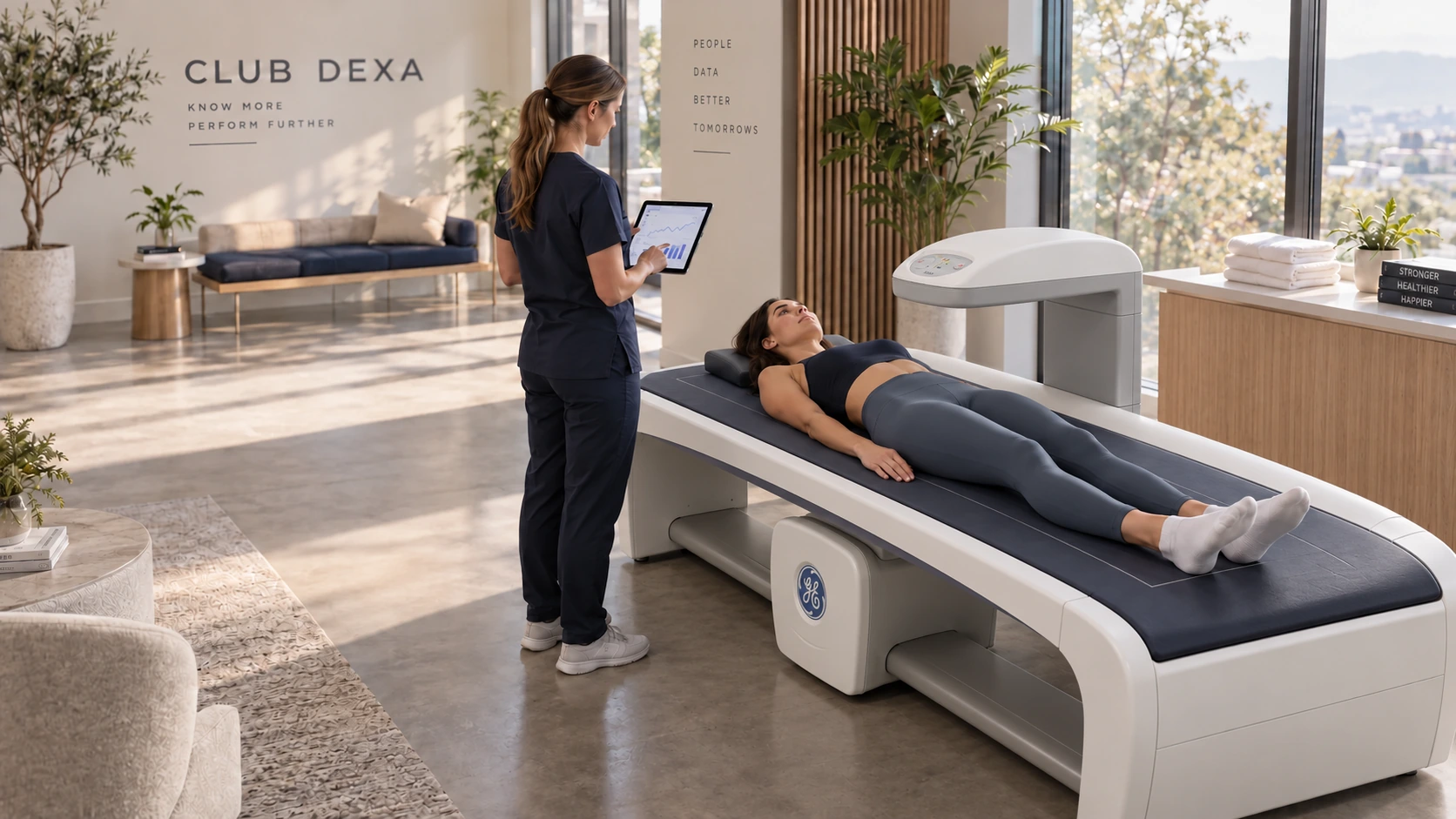
A DEXA body-composition scan can give someone with PCOS a detailed baseline for estimated fat mass, lean soft tissue, and broad regional body-composition trends. It cannot diagnose PCOS, measure hormones, confirm insulin resistance, explain symptoms, or choose a treatment.
That distinction matters. The useful role for a scan is usually practical: compare a baseline with a follow-up after a meaningful training, nutrition, or lifestyle block, then use the trend as one input for a conversation with the qualified professional helping you manage your care. It is not a scorecard for whether your PCOS is “better” or “worse.”
The 2023 international PCOS guideline supports healthy lifestyle behaviors for overall health, quality of life, body composition, and weight management, while also emphasizing individualized goals and the need to avoid weight stigma. A repeatable body-composition baseline can add context to that process without turning body size into the whole story.
For a local baseline and straightforward follow-up tracking, start with DEXA Scan in Irvine & Orange County.
First: DEXA is not a PCOS test
PCOS is a clinical condition. Qualified clinicians use medical history, symptoms, and appropriate assessment to evaluate it; a body-composition scan is not part of the diagnostic criteria. The 2023 international PCOS guideline describes diagnostic criteria based on ovulatory dysfunction, clinical or biochemical hyperandrogenism, and polycystic ovarian morphology or, for adults in some circumstances, anti-Müllerian hormone after other causes are excluded.
That means a DEXA scan cannot tell you:
- Whether you have PCOS.
- Whether a hormone level is high or low.
- Whether you are ovulating or how fertility will be affected.
- Whether you have insulin resistance, diabetes, or another medical condition.
- Whether a medication, supplement, or diet is right for you.
If you have new, changing, or concerning symptoms, bring them to an ob-gyn, primary-care clinician, endocrinologist, or another qualified provider. A scan should never delay appropriate care.
What a body-composition baseline can track
A whole-body DEXA report can estimate several compartments that a standard scale cannot separate:
- Total fat mass and body-fat percentage: useful context when weight is moving but the source of that change is unclear.
- Lean soft tissue: a broad estimate that includes more than skeletal muscle. It is not a direct measurement of individual muscles or strength.
- Regional estimates: depending on the report, this may include broad trunk, android, gynoid, arm, and leg comparisons.
- Bone mineral content: a body-composition value, not the same thing as a clinical bone-density diagnosis.
Research has used DXA and other imaging methods to study body-fat distribution in PCOS. A systematic review and meta-analysis found that the relationship between PCOS and fat distribution is nuanced and depends on the imaging method and comparison group. That is a good reason not to read one regional number as a diagnosis or a personal verdict.
Instead, use the same method over time to ask a smaller question: after the plan you and your care team chose, did estimated fat mass, lean soft tissue, and body weight move in a direction that fits the rest of your picture?
Good questions for a follow-up scan
The most useful DEXA questions are specific and time-bound. For example:
- After a consistent training block, is estimated lean soft tissue relatively stable while fat mass is changing?
- Does the scale change line up with estimated fat mass, or could water, glycogen, food volume, and other short-term factors be part of the story?
- After a maintenance phase, are the major body-composition estimates broadly holding steady?
- Do repeat reports give you a clearer starting point for a conversation about nutrition, activity, recovery, or medication context with a qualified professional?
These questions keep the scan in its proper role: a measurement tool, not a diagnosis. If your primary question is how a DEXA report works, see How to Read Your DEXA Scan Results.
Make comparisons less noisy
One scan is a snapshot. A more useful trend comes from making the snapshots reasonably comparable.
- Use the same scanner when practical.
- Follow the same preparation routine each time, including hydration, meals, exercise, and clothing as closely as you reasonably can.
- Avoid treating a few days of scale movement as a body-composition transformation.
- Schedule a follow-up after a meaningful, sustained block rather than scanning repeatedly for reassurance.
- Keep simple context notes: training consistency, major nutrition changes, travel, illness, menstrual-cycle timing if relevant to you, and medication changes you want to discuss with your clinician.
For a practical preparation checklist, read How to Prepare for a DEXA Scan. The goal is not perfect control. It is enough consistency to make the comparison more useful.
Keep the focus on health behaviors, not one number
PCOS looks different from person to person, and body weight alone does not define health or the quality of someone’s care. The international guideline notes that healthy lifestyle changes can have benefits even when weight does not change, and that there is not one diet composition proven best for every person with PCOS.
That leaves room for a more grounded approach. A DEXA trend may sit beside strength or activity logs, energy, sleep, food patterns, waist measurements if they are useful to you, and the clinical measures your care team recommends. It can help you see a piece of the picture; it cannot replace the picture.
The American College of Obstetricians and Gynecologists also notes that PCOS care is tailored to the individual’s symptoms, health concerns, and reproductive goals. That is why a scan result is best used to support a conversation, not to self-prescribe a plan.
A local baseline when you are ready
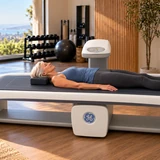
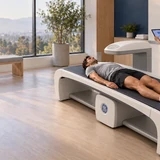
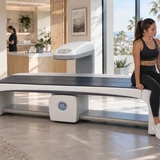
If your goal is simply a consistent body-composition checkpoint, CLUB DEXA is opening in Irvine for fitness and wellness tracking. Founding Members can lock in $49 standard DEXA body-composition scans for life before booking opens, subject to the published terms and appointment availability. There is no payment today.
Before committing, compare the practical details: DEXA Scan Cost in Orange County explains what to look for in pricing, reports, and repeat-scan access.
Sources and fine print
- American Society for Reproductive Medicine: 2023 International Evidence-based Guideline for PCOS
- American College of Obstetricians and Gynecologists: Polycystic Ovary Syndrome FAQ
- PubMed Central: Imaging-Based Body Fat Distribution in PCOS, Systematic Review and Meta-Analysis
This article is educational and is not medical advice. CLUB DEXA does not prescribe, manage, diagnose, provide medical advice, tax advice, legal advice, or insurance advice. It does not diagnose PCOS, measure hormones, manage fertility care, or replace care from a qualified clinician, dietitian, coach, or care team.
Related articles
DEXA Scans for Healthy Aging: What to Track
Learn how older adults can use a DEXA body-composition baseline alongside strength, movement, and clinical care.
DEXA Scans for Endurance Athletes: What to Track
Learn how runners, cyclists, and triathletes can use DEXA body-composition scans as repeatable checkpoints without confusing a scan with a performance or health diagnosis.
DEXA Scan vs Blood Work: What Each Can and Cannot Tell You
Compare a DEXA body-composition scan with blood work: what each test measures, why the results are not interchangeable, and how to use each for the right question.

Join as a Founding Member
Lock in $49 DEXA scans for life. Join the Founding Member List before booking opens in Irvine. Your standard body composition scan price will never increase, subject to additional terms. Expected regular pricing after launch starts at $89 per scan.
- $49 scans for life
- Priority launch booking
- No cost to join
No payment today. No spam. Your Founding Member price will never increase. Founding pricing applies to standard CLUB DEXA body composition scans for the registered email/account holder. Founding Member pricing includes up to 6 standard scans per calendar year. Additional scans are subject to regular pricing. Non-transferable. Excludes add-ons, bundles, third-party services, and special clinical services. Subject to appointment availability. Expected regular pricing may change before or after launch. Email verification is required before Founding Member pricing is treated as locked.